
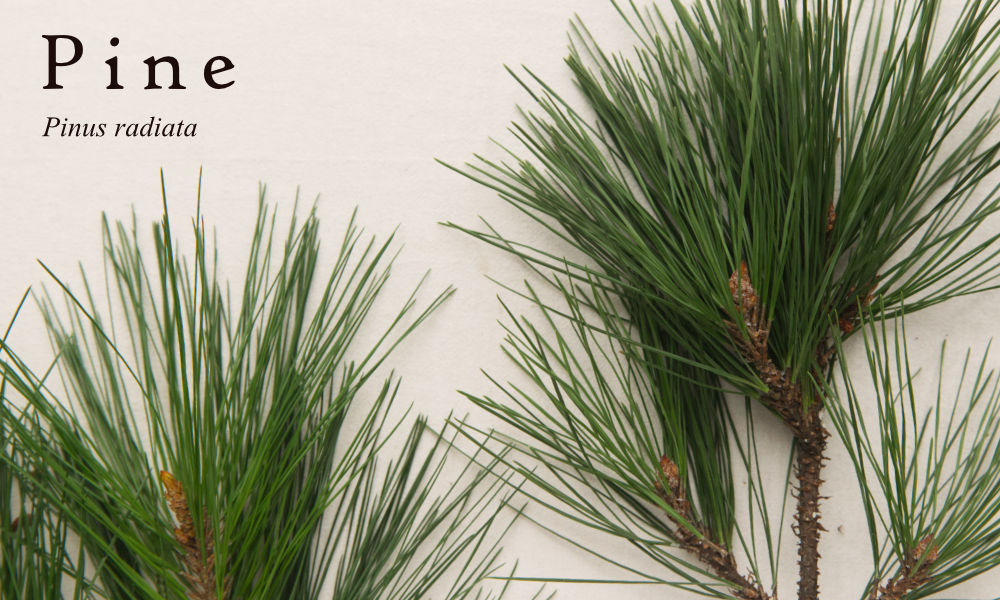
It’s mid-winter here in our corner of Tasmania and the garden has mostly gone to sleep. Although there are a few winter vegetables and cold season herbs still out to play, the majority of plants have retreated into the soil for their winter dormancy. They'll wait until the warmth and light of spring sunshine returns.
Out in the forest the blue gums stand unmoved by the cold, and nestled amongst them we find the occasional Radiata Pine.
There are no true pines (genus Pinus) native to Tasmania, or the rest of Australia for that matter. True pines naturally grow only in the Northern Hemisphere. Tasmania is famous for its several native conifers, referred to as "pines," including the Huon Pine, King Billy Pine and Pencil Pine, which actually belong to entirely different, ancient families such as Podocarpaceae and Cupressaceae.
But we do have a lot of Radiata Pines (Pinus radiata) in Tasmania. They were introduced in the mid-1800s as a fast-growing crop for the logging industry, and like most introduced species, they began wandering out into the wild not long after. If you live in southern Tasmania, there is a very good chance a Radiata Ppine is growing within walking distance of your front door. Their cones are a beloved treat of our black cockatoos, who help spread the seeds across the landscape.
In the depths of winter, when foraging options become limited, a pine tree is a generous find. Nearly every part of a true pine is edible and highly nutritious. The seeds (pine nuts) are eaten globally, while indigenous groups and foragers have historically used the inner bark, pollen and needles for food and medicine. Pine also features heavily in aromatherapy and has a strong affinity with the respiratory system. In Finnish tradition, evergreen branches are placed in saunas to diffuse their medicinal and aromatic compounds.
Pine needles are believed to contain four to five times more vitamin C than orange juice, which likely explains why pine needle tea has been valued across so many cultures as a winter tonic, brewed during the months when fresh produce was scarce and the body needed support most.
Across their native northern cultures, pine species have a long and rich history in mythology and herbal medicine. Due to their evergreen nature in cold climates, the pine was, and still is, a symbol of endurance, resilience and immortality. The roots of that symbolism run deeper into our modern lives than most of us realise.
The modern Christmas tree traces back to ancient traditions of decorating evergreens to celebrate the return of the sun. The Vikings burned pine logs and torches during the winter solstice to draw back the sun and purify spaces of negative energy, and pine trees were decorated to celebrate the birth of Frey, the Norse god of the sun and fertility.
In the mid-1500s French explorer Jacques Cartier's crew was cured of scurvy with a tea of pine needles and bark given to them by the Iroquois, an Indigenous people of Northern America, after months of nutritional deprivation at sea. At a time when scurvy was killing sailors across the world's oceans, the Iroquois had long known what the explorers did not — that the pine tree held what they needed to survive the winter.
Radiata pine, originally from California, now makes up a significant portion of Tasmania's timber plantations and has spread widely across roadsides, disturbed ground and bushland throughout the state. It is considered an environmental weed here, self-seeding readily and displacing native species where it takes hold — but it is also useful. Its needles are perfectly suited for tea, easy to identify and available year-round. The pollen provides a bounty for more experienced foragers. And the countless saplings creeping in on the state's roadsides get a thinning each December as many local residents harvest them for Christmas trees.
How to Make Pine Needle Tea
1. Harvest a small handful of fresh green needles, choosing the younger, brighter growth where possible. Strip away any brown papery sheaths at the base of the needle bundles.
2. Chop or bruise the needles roughly — scissors work better than a knife here — then place in a cup or teapot.
3. Pour over water that has been boiled and allowed to cool slightly, as boiling water can destroy some of the vitamin C content, so just off the boil is ideal.
4. Steep for five to ten minutes, then strain. The flavour is fresh, resinous and distinctly piney. It's surprisingly pleasant, with a clean, bright quality.
5. Add a little honey if you prefer it sweeter.
6. Drink warm.
How to Make a Simple Pine Needle Bath Soak
Have you tried a pine tea bath soak? Just add a bunch of pine needles to your bath water for a relaxing aromatherapy treatment. Just be sure to contain them in cheesecloth or a muslin bag as they are known to clog drains.
A note for sensitive skin: some people are reactive to pine needles. If you are unsure, hold a needle against your inner arm for a few minutes before a full soak.A note on safety: not all pine species are safe for consumption. Avoid Ponderosa, Norfolk Island Pine and Yew needles, as brewing them can prove toxic. Always harvest from clean, unsprayed trees — glyphosate is widely used on roadsides across Tasmania, by both state authorities and local councils, so roadside trees are best avoided. Do not use needles that have fallen to the ground.
Not recommended during pregnancy.
Radiata pine is safe and widely used, but if you are unsure of your identification, check with a knowledgeable local before brewing.
--------------------
The information in this article is shared for educational and historical interest only and does not constitute medical advice.